
Neuro-Vestibular Assessment £850
When you need the most detailed picture possible.
Some causes of dizziness, vertigo, and balance problems are complex — particularly when symptoms point toward an interaction between the vestibular system and the neurological system, or when previous testing hasn't provided a clear answer. Our neuro-vestibular assessment is our most comprehensive evaluation, combining advanced vestibular diagnostics with neurological testing to give us the deepest possible understanding of what's going on.
Who is this assessment for?
This assessment is designed for people whose symptoms are complex, longstanding, or haven't been fully explained by previous investigations. It may be particularly appropriate if:
You've already had a balance assessment elsewhere but are still without a clear diagnosis
Your symptoms include neurological features such as headaches, visual disturbance, cognitive difficulties, or facial numbness alongside your dizziness
You've been referred by a neurologist, ENT specialist, or GP for specialist vestibular investigation
Your symptoms are significantly impacting your quality of life and you want the most thorough evaluation available
What does the assessment involve?
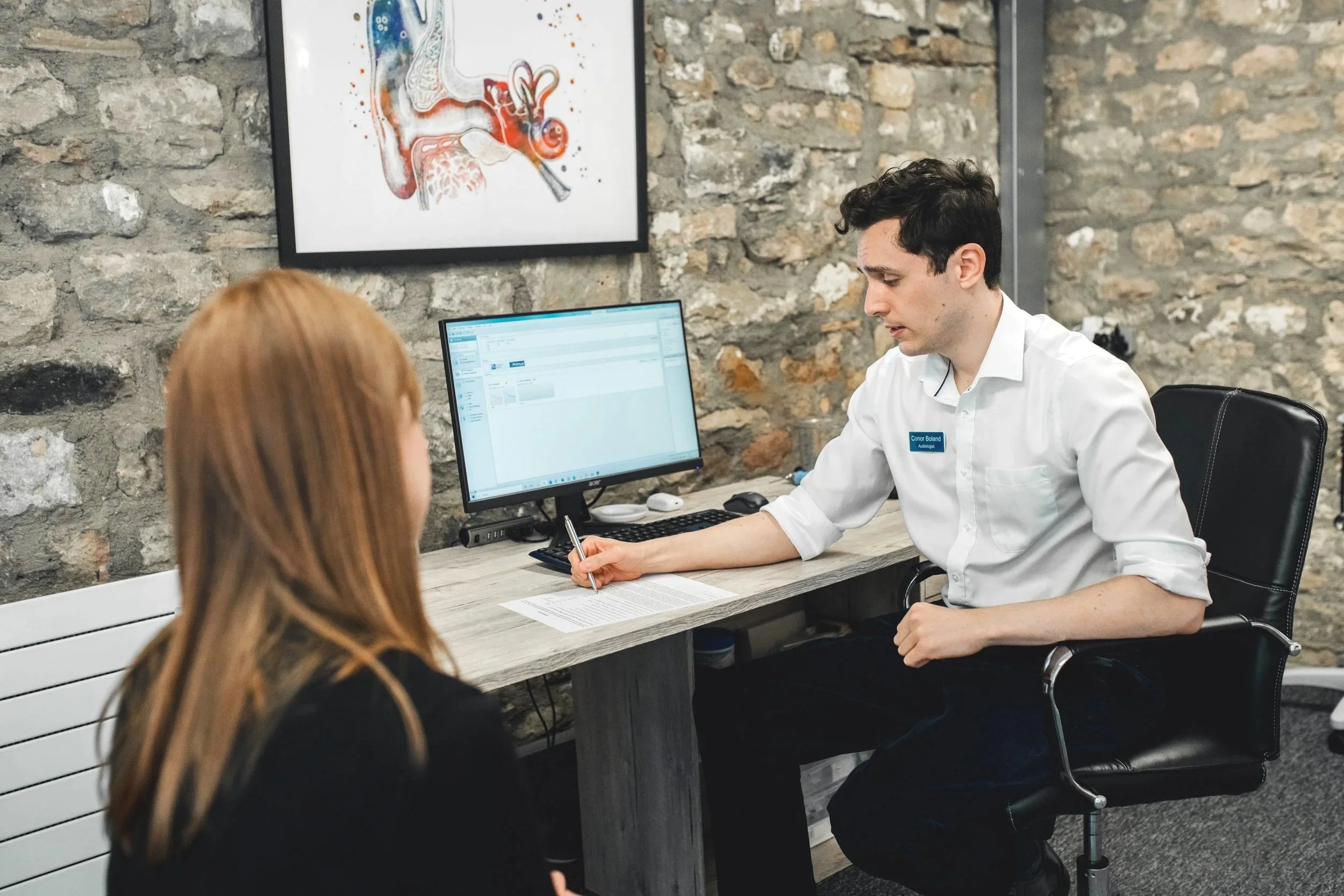
The neuro-vestibular assessment builds on our comprehensive balance assessment, adding two advanced diagnostic tests — VNG and ABR — that allow us to examine the vestibular and auditory pathways in much greater detail. Together, the full test battery gives us a precise, multi-dimensional picture of how your inner ear, auditory nerve, and brain are functioning.
All tests are non-invasive and carried out in a calm, unhurried environment. We'll explain each step clearly as we go.
The Tests
Hearing Assessment
Your hearing and your balance system share the same inner ear, so a hearing assessment can give us vital clues as to what going on internally.
Positioning & Repositioning Manoeuvres
These are simple, guided movements used to test for BPPV (Benign Paroxysmal Positional Vertigo) — one of the most common and treatable causes of dizziness.

vHIT — Video Head Impulse Test
The vHIT is a highly sensitive test that measures how well you keep your vision stable when your head moves — it's what allows you to read a sign while walking, or keep your eyes focused during everyday movement.
VEMP — Vestibular Evoked Myogenic Potentials
VEMP testing assesses parts of the vestibular system that aren't evaluated by many other tests — specifically the two small but important structures in the inner ear that detect gravity and linear motion.
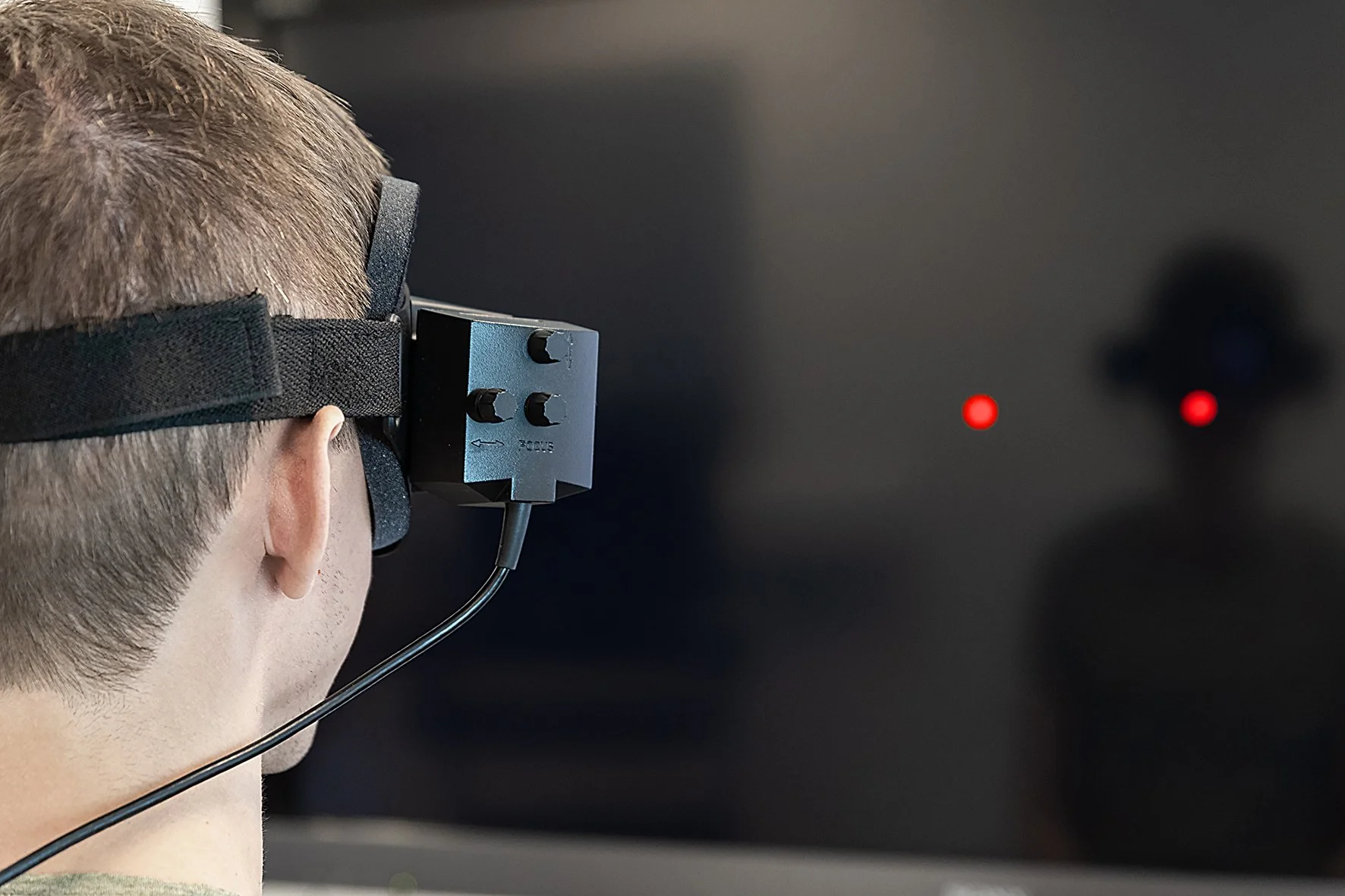
VNG — Videonystagmography
VNG is one of the most comprehensive vestibular diagnostic tools available. It uses a pair of lightweight infrared goggles to record your eye movements with exceptional precision, allowing us to detect even very subtle abnormalities that would be invisible to the naked eye.
Neuro ABR — Auditory Brainstem Response
The ABR is a neurophysiological test that measures the electrical activity generated by the auditory nerve and brainstem in response to sound. It gives us a direct window into the integrity of the auditory pathway — from the inner ear, along the auditory nerve, through the brainstem.
What happens after the assessment?
Once all testing is complete, we'll go through your results with you in full — in plain language, without jargon. We'll explain what each test showed, how the results fit together, and what we believe is the most likely explanation for your symptoms. We'll then give you our clear recommendation on the most appropriate next steps.
Depending on your results, this might include vestibular rehabilitation therapy, onward referral to a neurologist or ENT specialist, further medical investigation, or reassurance that no serious underlying cause has been identified.
Whatever the outcome, you'll leave with a thorough understanding of your results and a clear, defined path forward.
Ready to take the next step?
If you’d like help to get your balance problems resolved, get in touch and we’ll guide you through the process, from arranging an appointment to a friendly introductory phone call with one of our specialists.