
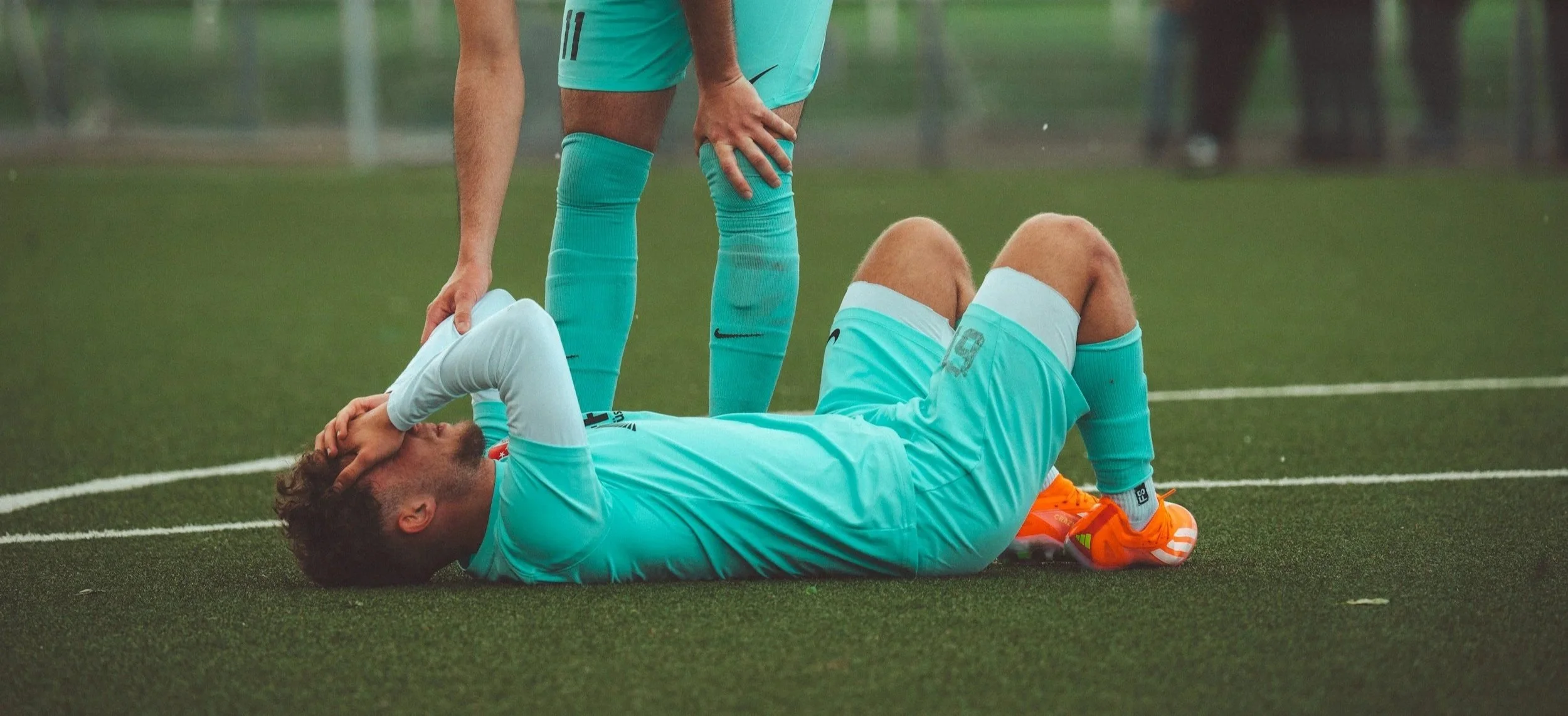
Dizziness After Concussion or Head Injury
A Complete Guide to Symptoms, Causes, and Treatment
Dizziness is one of the most common symptoms following a concussion or mild traumatic brain injury (mTBI). It may occur immediately after the injury or develop days later as the brain and balance system recover.
Although most people improve within a few weeks, persistent dizziness should not be ignored. A specialist vestibular assessment can often identify the underlying cause and guide appropriate treatment.
Can a Concussion Cause Dizziness?
Yes. A concussion can affect multiple parts of the balance system, including:
The inner ear (vestibular system)
The brain's balance processing centres
Vision
Neck muscles and joints
The autonomic nervous system
Sometimes more than one system is affected, meaning patients may have several causes of dizziness at the same time.
Symptoms of Post-Concussion Dizziness
Symptoms vary considerably but commonly include:
Feeling off balance
Vertigo (a spinning sensation)
Lightheadedness
Rocking or swaying sensations
Motion sensitivity
Visual motion intolerance
Difficulty concentrating ("brain fog")
Headaches
Nausea
Fatigue
Neck pain
Difficulty walking in busy environments
Feeling worse when turning the head quickly
Many people notice that symptoms worsen when they are tired or under stress.
What Causes Dizziness After a Head Injury?
Several conditions may develop following concussion:
Benign Paroxysmal Positional Vertigo (BPPV) - BPPV is one of the most common causes of dizziness after head trauma. The injury can dislodge tiny calcium crystals within the inner ear, leading to brief episodes of spinning dizziness when lying down, rolling over in bed or looking upwards. Fortunately, BPPV is often highly treatable with repositioning manoeuvres.
Vestibular Concussion - The balance organs or balance nerves may be temporarily affected by the injury, resulting in persistent dizziness and imbalance during recovery.
Persistent Postural-Perceptual Dizziness (PPPD) - Some people develop persistent dizziness long after the original injury has healed.
Symptoms are often worse in:
Supermarkets
Crowds
Busy visual environments
Shopping centres
Visually Induced Dizziness - Following concussion, the brain may become overly reliant on visual information. This can make scrolling on phones, watching moving objects or walking through busy environments particularly uncomfortable.
Vestibular Migraine - Head injury may trigger vestibular migraine in susceptible individuals. Symptoms may include dizziness, headache, light sensitivity and motion intolerance.
Neck Related Dizziness - Concussions are frequently associated with neck injuries. Pain and dysfunction affecting the cervical spine can contribute to dizziness and imbalance.
Why Do I Feel Dizzy Months Later?
Although many people recover within weeks, some continue to experience symptoms because:
An underlying vestibular disorder has not been diagnosed.
The brain has not fully compensated for the injury.
Visual dependence has developed.
BPPV remains untreated.
PPPD has developed.
Vestibular rehabilitation has not yet been started.
Persistent symptoms do not necessarily mean permanent damage has occurred.
How Is Post-Concussion Dizziness Diagnosed?
A detailed clinical history is essential.
Assessment may include:
Hearing tests
Video Head Impulse Test (vHIT)
Videonystagmography (VNG)
Caloric testing
Vestibular Evoked Myogenic Potentials (VEMP)
Positional testing for BPPV
Computerised Dynamic Posturography
Balance and gait assessment
Cervical screening where appropriate
These investigations help determine which part of the balance system has been affected.
Treatment
Treatment depends on the underlying diagnosis:
Vestibular Rehabilitation Therapy - Individualised exercises help retrain the brain and improve balance.
Treatment for BPPV - Canalith repositioning manoeuvres such as the Epley manoeuvre often resolve positional vertigo rapidly.
Visual Motion Desensitisation - Gradual exposure to visually challenging environments can reduce symptoms over time.
Neck Rehabilitation - Where appropriate, physiotherapy may help address cervical dysfunction contributing to dizziness.
Managing Vestibular Migraine - Lifestyle advice and medication may help reduce migraine-related symptoms.
Graduated Return to Activity - A gradual increase in physical and cognitive activity is often recommended as symptoms improve.
When Should I Seek Medical Advice?
You should seek assessment if:
Dizziness persists for more than two to four weeks after a concussion.
You experience vertigo when moving your head.
You feel unsteady walking.
Busy environments worsen your symptoms.
You are struggling to return to work, school or sport.
Seek urgent medical attention if you experience:
Worsening headaches
Repeated vomiting
Increasing confusion
Weakness or numbness
Difficulty speaking
Loss of consciousness
Seizures
Double vision
How Can Northern Balance Clinic Help?
At Northern Balance Clinic, we provide comprehensive assessment of persistent dizziness following concussion and head injury.
Using advanced vestibular testing, we can identify conditions such as:
Benign Paroxysmal Positional Vertigo (BPPV)
Vestibular concussion
Vestibular migraine
Persistent Postural-Perceptual Dizziness (PPPD)
Visually induced dizziness
Bilateral vestibular loss
Neck-related dizziness
By identifying the precise cause of your symptoms, we can recommend targeted treatment to support your recovery and help you return to normal activities with confidence.
Book an Assessment
If you are still experiencing dizziness, imbalance or motion sensitivity after a concussion or head injury, our specialist vestibular clinicians can provide a detailed assessment to determine the underlying cause and recommend the most appropriate treatment.
Ready to take the next step?
If you’d like help to get your balance problems resolved, get in touch and we’ll guide you through the process, from arranging an appointment to a friendly introductory phone call with one of our specialists.